
Tibetan Art and Rugs: A Spiritual Connection in Every Weave
Introduction
Tibetan art, a rich and intricate tapestry of spiritual symbolism, has been a cornerstone of Tibetan culture for centuries. Rooted in Buddhism, this art form reflects the deep connection between the people and their faith. From vibrant murals and intricate thangka paintings to the meticulously crafted rugs, Tibetan art offers a visual feast of spiritual meaning and beauty.

A Tapestry of Spirituality
Tibetan art is characterized by its intricate designs, vibrant colors, and symbolic imagery. Buddhist deities, such as Buddha, Avalokiteshvara, and Tara, are often depicted in a serene and compassionate manner. The mandalas, circular diagrams symbolizing the universe, are another prominent theme in Tibetan art. These intricate patterns are believed to have a meditative and spiritual effect on those who contemplate them.
Beyond religious themes, Tibetan art also celebrates nature and the beauty of the Himalayan landscape. Snow-capped mountains, flowing rivers, and lush valleys are often depicted in a stylized and idealized manner. These natural elements are seen as manifestations of the divine and are imbued with spiritual significance.

Tibetan Rugs: Weaving Culture into Home Decor
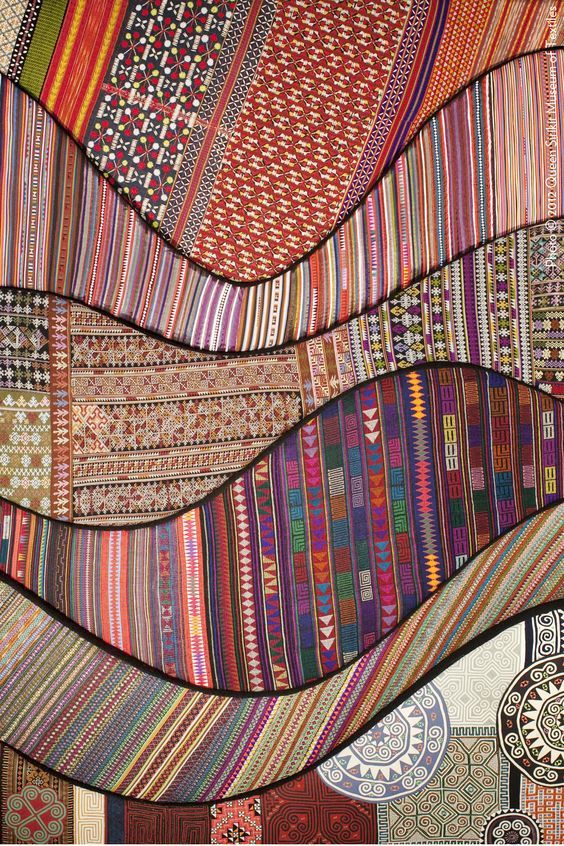
Tibetan rugs, renowned for their intricate designs and exceptional craftsmanship, are a testament to the rich artistic heritage of the region. These rugs are typically woven using traditional techniques, such as knotting and weaving. Natural dyes extracted from plants, minerals, and insects are used to create a vibrant and durable color palette.
The designs found in Tibetan rugs are often inspired by Buddhist iconography and traditional motifs. Dragons, clouds, lotuses, and other symbolic elements are woven into the fabric, creating a tapestry of spiritual meaning. The intricate patterns and vibrant colors of Tibetan rugs make them highly sought-after as decorative pieces in modern homes.
A Growing Demand for Tibetan Rugs
In recent years, there has been a growing demand for Tibetan-style rugs as a form of artistic expression in home interiors. These rugs offer a unique and authentic way to add a touch of spirituality and culture to a living space. The intricate designs and high-quality craftsmanship of Tibetan rugs make them valuable investments that can be passed down through generations.
The Role of Tibetan Rugs in Global Markets
Tibetan rugs have transitioned from sacred objects to luxury home decor items, gaining popularity in global markets. Their unique aesthetic and cultural significance have made them attractive to collectors and interior designers around the world.
To cater to modern tastes, Tibetan artisans have experimented with new designs and color palettes while preserving the traditional techniques and motifs. This fusion of tradition and contemporary style has helped to broaden the appeal of Tibetan rugs and ensure their continued relevance in the global market.
Conclusion
Tibetan rugs offer a tangible connection to the rich spiritual and cultural heritage of Tibet. Their intricate designs, vibrant colors, and symbolic imagery make them both beautiful and meaningful pieces of art. By incorporating Tibetan rugs into our homes, we can bring a sense of serenity, spirituality, and heritage into our lives.
As we continue to appreciate the beauty and significance of Tibetan rugs, it is important to support the artisans and communities that produce them. By preserving this ancient tradition, we can ensure that the spiritual connection woven into every rug will continue to inspire and enrich generations to come.
World Great Artists and their inspiration behind the Rugs at artistrugs.com
Rugs in European Art: A Timeless Fusion of Craft and Culture
Related Posts

Family-Friendly Flatweaves: Why Low-Pile Rugs Win with Kids

First-Time Buyer’s Guide: What to Look for in a Living Room Rug

Bohemian Bliss: Layering Rugs and Cushions in Living Rooms

The Science of Color Fastness: Will Your Bright Rug Fade Like Holi Gulal?

The Rug That Wanted to Be a Painting: A Rug's Journey from Loom to Living Room

The Map Underfoot: Why Every Rug Is a Secret Geographic Chart

Where to buy handmade rugs with traditional artisan techniques in India?
