

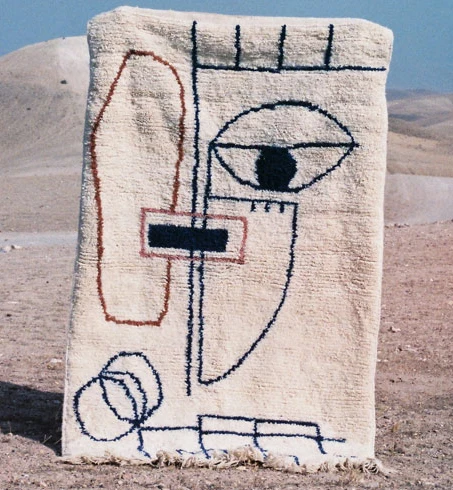
Natural Dye Rugs: Benefits for Your Home & the Planet
In a world where sustainability and style go hand in hand, natural dye rugs are making a big comeback. These beautiful floor coverings combine timeless design, artisan craftsmanship, and eco-conscious materials. Whether you’re looking for a bohemian rug for your living space, a minimalist rug for your bedroom, or a Persian style rug for your dining room, natural dyes offer a healthier, planet-friendly alternative to synthetic colors.
1. What Are Natural Dye Rugs?
Natural dye rugs are created using pigments extracted from plants, minerals, and other renewable sources. Think indigo for deep blues, madder root for rich reds, turmeric for vibrant yellows, and walnut shells for warm browns. These dyes are free from toxic chemicals, making them safer for your home environment—especially for children and pets.
Artisans use these dyes to color fibers like cotton, jute, and wool, weaving them into handmade rugs and handknotted rugs that showcase both beauty and durability.
2. Health & Environmental Benefits
Choosing a natural dye rug means reducing your exposure to volatile organic compounds (VOCs) often found in synthetic dyes. This makes them an excellent choice for a bedroom rug or living room rug where air quality matters.
For the planet, natural dyes are biodegradable, non-toxic, and sourced from renewable materials. When paired with sustainable fibers—such as in a wool jute rug or kilim rug—your eco-friendly rug helps lower your environmental footprint.
3. Styles & Techniques
Natural dye rugs come in every style imaginable, from traditional to modern:
-
Flatweave rugs – Lightweight, reversible, and perfect for layering in neutral palette rugs or vibrant tones.
-
Kilim rugs and kilim area rugs – Known for their geometric patterns and bold use of natural reds, blues, and greens.
-
Navajo rugs – Rich in heritage, often featuring earthy hues achieved through plant-based dyes.
-
Scandinavian rugs – Minimalist designs in beige, ivory, and muted shades.
-
Oushak rugs and Persian style rugs – Ornate motifs, often with a soft, distressed finish for that vintage feel.
Even modern rugs can be made using natural dyes, combining contemporary patterns with traditional craftsmanship.
4. Perfect for Every Space
No matter your room or occasion, a natural dye rug can find its place:
-
Living Room Rug – A large rug in muted ivory or a bold geometric rug can anchor your space beautifully.
-
Bedroom Rug – Soft, naturally dyed fibers feel inviting underfoot.
-
Entryway Rug – A runner rug in earthy tones creates a warm welcome.
-
Housewarming Gift – A custom rug with naturally dyed fibers makes for a thoughtful, lasting present.
Available in all sizes—4x6, 5x8, 8x10, and runner—these rugs adapt to any layout.
5. Color That Ages Beautifully
One of the unique benefits of natural dyes is how they age. Unlike synthetic colors that can fade harshly over time, natural dye rugs develop a soft patina, enhancing their charm. This quality is especially valued in vintage carpets, old rugs, and antique rugs—where the gentle fading becomes part of the story.
For example, a naturally dyed tribal rug or distressed rug will retain depth and richness for decades, making it an investment piece.
6. Handmade Craftsmanship
Most natural dye rugs are handwoven rugs or handknotted rugs, made by skilled artisans who have mastered dyeing techniques passed down through generations. This not only preserves cultural heritage but also results in one-of-a-kind designs that mass-produced synthetic rugs simply can’t match.
By choosing a rug made with natural dyes, you support these traditional practices and help sustain artisan communities.
7. Customization Possibilities
Many rug makers offer custom rugs in naturally dyed colors, allowing you to choose the exact hue, pattern, and size to suit your home décor. Want a green Scandinavian rug in 8x10? Or a red geometric rug in 5x8? Custom options ensure you get a piece that fits perfectly—both in design and ethics.
8. A Conscious Choice
When you purchase a natural dye rug, you’re not just buying a carpet—you’re making a conscious decision. You’re saying yes to:
-
Non-toxic living.
-
Lower environmental impact.
-
Preservation of artisan techniques.
-
A healthier, more beautiful home.
Final Thoughts
From flatweave to tribal, neutral palette to bold colors, natural dye rugs offer an incredible range of choices while honoring the planet. Whether it’s a bohemian rug for layering, a minimalist rug for a serene bedroom, or an antique rug with heritage appeal, these pieces bring warmth, character, and sustainability into your home.
When you step onto a naturally dyed area rug, you’re stepping into a tradition that values nature, artistry, and conscious living—making it the perfect foundation for any space.
Green Rugs: Bringing Nature’s Palette into Contemporary Design
Before & After: Rug Makeovers That Changed the Living Room
Related Posts

Family-Friendly Flatweaves: Why Low-Pile Rugs Win with Kids

First-Time Buyer’s Guide: What to Look for in a Living Room Rug

Bohemian Bliss: Layering Rugs and Cushions in Living Rooms

The Science of Color Fastness: Will Your Bright Rug Fade Like Holi Gulal?

The Rug That Wanted to Be a Painting: A Rug's Journey from Loom to Living Room

The Map Underfoot: Why Every Rug Is a Secret Geographic Chart

Where to buy handmade rugs with traditional artisan techniques in India?
